
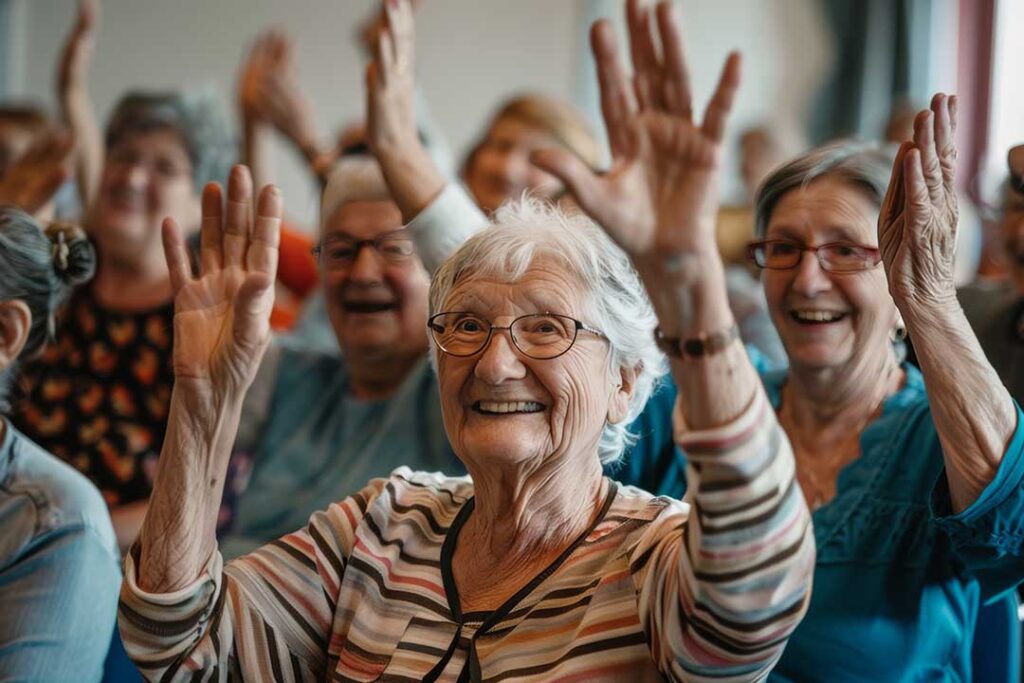
Creative activities are not just pleasant pastimes for older adults. In assisted living, art, music, storytelling, gardening, and hands-on projects can support identity, communication, movement, social connection, and emotional well-being. The most meaningful programs do not require artistic skill. They give residents choices, recognize individual interests, and make participation comfortable at different ability levels.
Why does creativity matter in assisted living?
Creative expression helps residents continue doing something deeply human: making choices, sharing ideas, and communicating personal experiences. A resident may express a memory through a painting, select a familiar song, arrange flowers, or tell a story while working on a simple craft.
These activities can support several areas of daily life:
- Emotional health: Creative work may provide a calming outlet for frustration, grief, loneliness, or restlessness.
- Memory and conversation: Familiar songs, photographs, recipes, and objects can encourage reminiscence and discussion.
- Social connection: Group projects create natural opportunities to talk without requiring residents to make conversation from scratch.
- Fine-motor movement: Folding, threading, brushing, shaping clay, and handling large pieces can exercise hand coordination.
- A sense of purpose: Completing a project or contributing to a shared display can help residents feel useful and recognized.
- Personal identity: Creativity allows people to remain connected to lifelong roles such as musician, gardener, cook, quilter, writer, or storyteller.
Creativity should not be treated as a test of talent. The goal is participation and personal meaning, not producing a perfect finished product.
What kinds of creative activities work well for older adults?
The strongest activity choices are flexible, familiar, and easy to adapt. A program may include both individual and group options so residents can choose how much social interaction they want.
Possible activities include:
- Watercolor painting, colored pencils, or large-format drawing
- Collage-making with magazines, fabric, photographs, or textured paper
- Singing familiar songs or listening to music from different life stages
- Simple percussion instruments, rhythm activities, or music-based movement
- Writing short memories, poems, letters, or captions for photographs
- Cooking demonstrations, recipe sharing, or assembling no-bake foods
- Seasonal decorating using safe, lightweight materials
- Container gardening, seed sorting, herb care, or arranging cut flowers
- Knitting, weaving, felt projects, or other crafts adapted for hand strength
- Story circles focused on childhood games, holidays, work, family traditions, or local history
Residents who do not want to make something with their hands may still participate by choosing colors, selecting music, giving suggestions, observing a demonstration, or telling the story behind a project.
How can activities be adapted for different abilities?
An activity becomes more inclusive when it offers several ways to participate. A resident with arthritis may prefer thick-handled brushes or larger craft pieces. Someone with reduced vision may respond better to high-contrast materials, textured objects, or music. A resident living with dementia may benefit from short, familiar activities with a clear beginning and end.
Helpful adaptations include:
- Use large, easy-to-hold tools and materials.
- Provide prepared pieces when cutting, measuring, or detailed assembly is difficult.
- Offer one or two steps at a time rather than presenting a complicated project all at once.
- Place materials within comfortable reach and keep the work area uncluttered.
- Use strong color contrast between objects and the table surface.
- Allow extra time and avoid correcting a resident’s creative choices.
- Provide seated and standing options when appropriate.
- Keep noise levels manageable for residents who are sensitive to busy environments.
- Display examples as invitations, not standards that everyone must copy.
The same project can be simplified or expanded. For example, a flower-arranging activity might include choosing flowers, placing prepared stems in a container, describing favorite flowers, or simply enjoying the scent and colors.
What if a resident says they are not creative?
Many older adults associate creativity with formal training or artistic talent. A resident may decline an activity because they believe they cannot draw, sing, write, or make crafts “correctly.” That concern is common and does not necessarily mean the person dislikes creative experiences.
A better approach is to reduce performance pressure. Instead of asking someone to create a painting, offer a choice of colors for a group mural. Instead of requesting a poem, invite the resident to finish a familiar saying or describe a favorite season. Instead of expecting singing, offer music listening with optional humming or hand percussion.

Language also matters. “Would you like to choose the music?” may feel more welcoming than “Would you like to join the activity?” Specific choices are often easier to answer than broad invitations.
How can family members support creativity?
Family members can contribute by sharing information about a resident’s interests and history. A person who rarely joins organized activities may respond to a familiar hobby that has not yet been offered in an adapted form.
Useful details may include:
- Favorite music, books, colors, foods, or holidays
- Past work, volunteer roles, hobbies, or collections
- Religious, cultural, or family traditions
- Preferred times of day for social activities
- Activities the person disliked or found frustrating
- Names and stories connected to photographs or keepsakes
Personal materials can also help, provided they are safe and practical for the setting. Copies of photographs, large-print lyrics, fabric samples, recipe cards, or a small collection of postcards may create conversation and inspire projects.
In a community with changing weather and colder indoor seasons, indoor creative activities can be especially useful for maintaining routine when outdoor movement is limited. Seasonal projects may also reflect residents’ memories of gardening, weather, neighborhood gatherings, or holiday traditions without requiring difficult travel or outdoor conditions.
How should assisted living staff evaluate a creative program?
A successful activity is not measured only by how many residents attend or whether everyone completes the same project. Staff can look for signs of comfort, interest, and meaningful engagement.
Useful questions include:
- Did residents have real choices?
- Could people participate at different ability levels?
- Did the activity encourage conversation or reminiscence?
- Was the pace comfortable?
- Were materials safe and manageable?
- Did residents appear relaxed, focused, amused, or proud?
- Would a quieter, shorter, or more familiar version work better next time?
Some residents may engage for only ten minutes. That can still be a valuable experience. Others may prefer repeated activities rather than constantly changing projects. Consistency helps residents know what to expect, while occasional new options prevent routines from becoming limiting.
What safety concerns should be considered?
Creative activities should be reviewed for fall risks, choking hazards, allergies, sharp tools, toxic materials, hot surfaces, and infection-control requirements. Food preparation requires attention to dietary restrictions and swallowing concerns. Gardening may require checks for plant toxicity, soil exposure, and safe handling of tools.
Supervision should match the activity and each resident’s needs. Safety should not eliminate choice unnecessarily, but materials and instructions may need to be modified. For example, large beads, washable supplies, rounded scissors, pre-cut materials, and stable containers can make participation safer without making it childish.
The central question is whether the activity allows residents to express preferences, connect with others, and remain involved in life at their own pace. In Turtle Creek, creativity can be supported through everyday materials, familiar seasonal experiences, and activities that respect the varied histories and abilities of older adults.
