
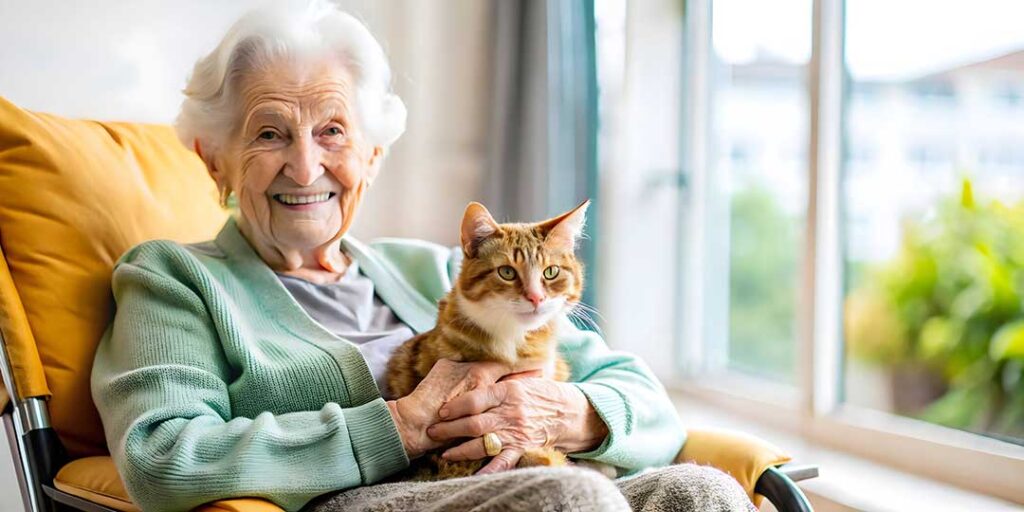
Residents and families alike often ask: How does medical care coordination work in assisted living facilities, and why is it so important? In Turtle Creek, Pennsylvania—a charming town known for its close-knit neighborhoods and involvement in community events—medical care coordination is essential for maintaining both the physical and emotional well-being of seniors. Here’s how local assisted living communities approach medical care coordination and why it matters to those who call Turtle Creek home.
What Is Medical Care Coordination in Assisted Living?
Medical care coordination in assisted living refers to the organized approach of managing the health care needs of residents, including communication among doctors, nurses, caregivers, and specialists. It ensures that everyone involved in a resident’s care is on the same page, which is crucial for older adults who frequently require services from multiple providers.
The Unique Flavor of Turtle Creek Care
Turtle Creek is known for its historic neighborhoods, tree-lined streets, and civic pride. The character of the town influences how care is delivered in local assisted living settings. Medical professionals, community volunteers, and family members work hand-in-hand not just because it's their job, but because it's part of the Turtle Creek way—neighbors helping neighbors, and care that feels truly personalized.
Why Is Medical Care Coordination So Crucial?
- Prevents Medical Errors: With multiple medications and providers, mistakes can happen. Care coordination helps reduce this risk by keeping information centralized and up to date.
- Manages Chronic Conditions: Many seniors in Turtle Creek assisted living have ongoing health concerns such as diabetes, heart disease, or mobility issues. Coordinated efforts ensure conditions are monitored and managed consistently.
- Enhances Quality of Life: By keeping all aspects of a senior’s health aligned, residents can enjoy greater peace of mind and independence, taking part in activities like community picnics at Boyce Park or strolls along Penn Avenue.
How Do Assisted Living Facilities Coordinate Medical Care?
Assisted living communities in Turtle Creek typically provide:
- On-site Nursing: Registered nurses or licensed practical nurses assess residents and administer medications.
- Case Managers: These professionals act as liaisons between residents, their families, and medical teams.
- Electronic Health Records (EHRs): Digital tools help track vital statistics, appointments, and prescription histories, ensuring transparent communication.
- Scheduled Medical Visits: Coordination with local physicians and therapists for routine wellness checks and prompt care in emergencies.
The Role of Local Healthcare Providers
Turtle Creek benefits from its proximity to the greater Pittsburgh area, giving residents access to renowned hospitals and specialists. Assisted living communities maintain relationships with:
- UPMC East and Forbes Hospital: For specialized consultations or emergencies.
- Local pharmacy delivery services: Ensuring medications arrive promptly, removing stress for residents and their families.
- Physical therapy providers: Regular visits keep seniors active and mobile, supporting recovery from injuries or surgeries.
Family Involvement in Care Coordination
In Turtle Creek, families often want to stay involved in their loved one’s care. Assisted living communities encourage this through:
- Care Conferences: Periodic meetings keep families updated and give them a voice in care planning.
- Digital Communication: Secure online portals allow loved ones to view medication schedules and health records, even if they live out of town.
- Education and Training: Workshops empower families to recognize symptoms and contribute to their loved one's health journey.
Challenges and Solutions
Care coordination isn’t without obstacles:

- Fragmented Records: Handling many specialists and facilities sometimes leads to missing information. Leveraging technology helps bridge those gaps.
- Communication Barriers: Seniors with hearing or cognitive issues may struggle to express needs. Trained staff are skilled in adaptive communication strategies.
- Insurance Complexities: Navigating Medicare and supplemental plans can be daunting, but case managers offer guidance, familiar with the Pennsylvania Medicaid waivers and other local options.
Benefits for Turtle Creek Seniors
Medical care coordination directly impacts the well-being of Turtle Creek’s seniors:
- Continuity of Care: Whether recovering from an illness at home or after a hospital visit, seniors experience seamless support.
- Faster Response Times: Immediate access to up-to-date medical histories empowers staff to act quickly during emergencies.
- Stronger Community Bonds: Residents build trust with care teams who understand both their medical needs and their preferences for local activities—whether it’s joining a gardening club or volunteering at the Turtle Creek Senior Center.
What Should Families Look For?
When touring assisted living facilities in Turtle Creek, consider the following questions:
- How does the community share updates with families?
- Are medical appointments and transitions from hospitals supervised?
- What partnerships exist with local medical providers?
- Do they leverage technology to maintain records and communicate?
Conclusion: A Community Approach to Healthy Living
The spirit of Turtle Creek shines brightest through its compassionate approach to senior care. Medical care coordination isn’t just about prescriptions and paperwork—it’s about local nurses going the extra mile, neighbors dropping in to check on friends, and families who find comfort in knowing their loved ones’ health is prioritized. By choosing an assisted living community that values communication and collaboration, Turtle Creek families ensure their elders enjoy a vibrant, secure, and connected lifestyle.
